
Oregon Scientific Weather Station: A Comprehensive Guide
Oregon Scientific delivers innovative, practical products—like weather stations—enhancing daily life. Access user manuals, FAQs, and community support for optimal station performance.
Oregon Scientific has established itself as a prominent brand, dedicated to developing innovative and user-friendly products designed for everyday application. Specializing in a diverse range of items – including highly regarded weather stations, reliable clocks, convenient clock radios, and practical pedometers – the company consistently strives to improve the quality of life for individuals and households globally.
Finding the right Oregon Scientific weather station manual is crucial; resources include their official website, downloadable PDFs, and supportive online communities.
Understanding Weather Station Components
Oregon Scientific weather stations typically comprise a sensor suite – measuring temperature, humidity, and often barometric pressure – and a display console. The console receives data wirelessly, presenting it clearly to the user. Accessing the user manual is vital for understanding each component’s function and ensuring correct assembly.
Manuals detail sensor placement, console configuration, and data interpretation, maximizing the station’s accuracy and usefulness. Downloadable PDFs are readily available online.
Sensors: Temperature, Humidity, and More
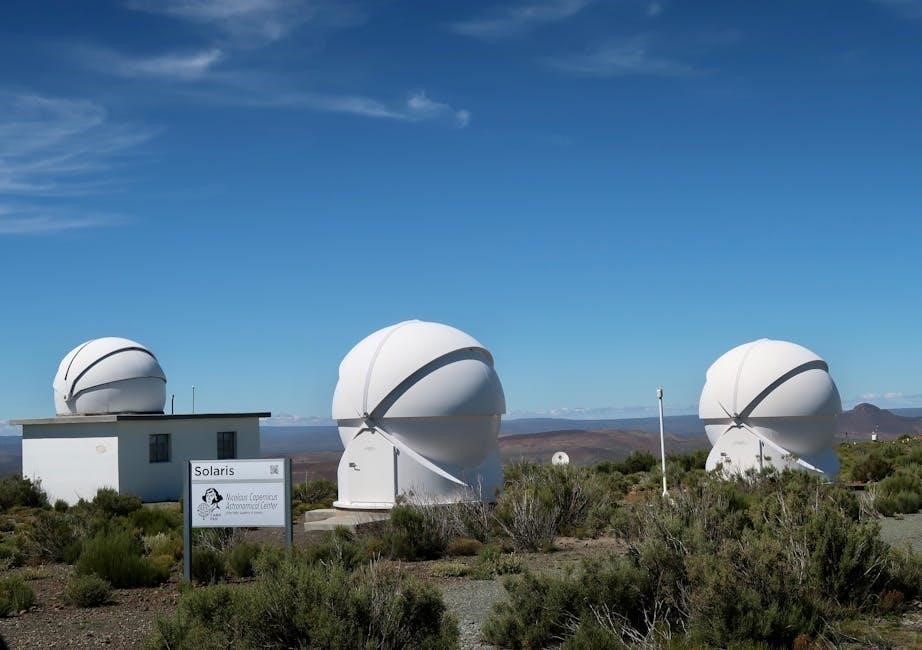
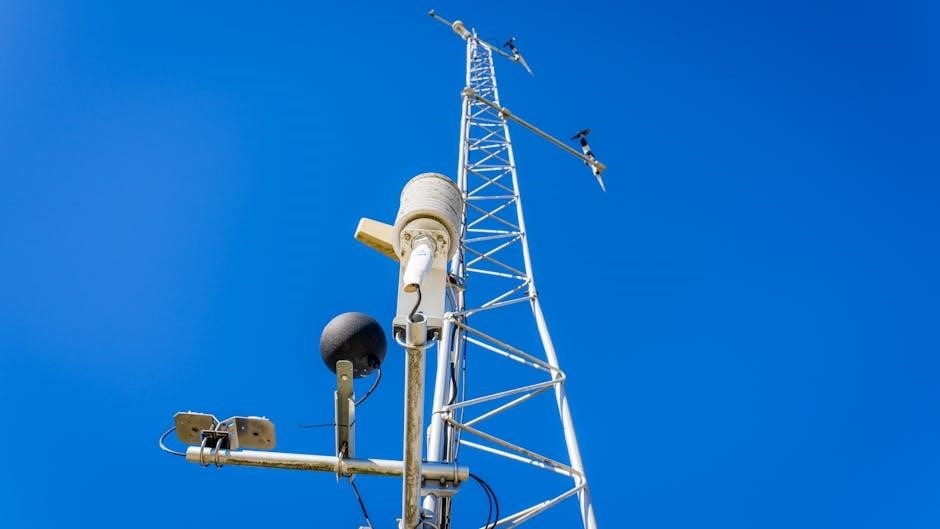
Oregon Scientific sensors are the core of accurate weather data collection. They measure temperature and humidity, with advanced models adding barometric pressure, rainfall, and wind speed/direction. The user manual explains each sensor’s specifications and optimal placement for reliable readings.
Proper sensor maintenance, detailed in the manual, ensures longevity and precision. Understanding sensor limitations, as outlined in documentation, is crucial for interpreting data correctly.
The Display Console: Features and Functions

Oregon Scientific’s display consoles present collected data clearly. The user manual details each function – time display, weather forecasts, historical data views, and alarm settings. Many models feature wireless transmission indicators and low-battery warnings.
Understanding console buttons and menu navigation, as explained in the manual, is key to customization. The manual also clarifies display symbols and units (Celsius/Fahrenheit) for easy interpretation of weather information.
Popular Oregon Scientific Weather Station Models
Oregon Scientific offers diverse models, each with a specific manual detailing its features. The BAR608HGA, a wireless weather station with an atomic alarm clock, is widely popular. The WMR868, known for advanced capabilities, also has a dedicated user guide.
Accessing the correct manual – via the Oregon Scientific website or ManualsLib – is crucial for setup and operation. These guides explain model-specific functions and troubleshooting steps.
BAR608HGA: A Detailed Overview
The BAR608HGA is a popular Oregon Scientific model, combining wireless weather monitoring with atomic clock accuracy. Its user manual, available online as a PDF, details setup, sensor connection, and interpreting displayed data.
The manual explains features like indoor/outdoor temperature, humidity, barometric pressure, and weather forecasting. Troubleshooting sections address common issues like display malfunctions or connectivity problems, ensuring optimal performance.
WMR868: Advanced Features and Capabilities
The WMR868 represents Oregon Scientific’s advanced weather station technology. Its comprehensive user manual, downloadable as a PDF, guides users through data logging, historical analysis, and wireless transmission configuration.
This model boasts features like PC connectivity for detailed data review and customizable alerts. The manual assists with sensor placement for accuracy, calibration procedures, and troubleshooting potential interference issues, maximizing its capabilities.
Setting Up Your Oregon Scientific Weather Station
Proper setup, detailed in the user manual, is crucial for accurate readings. Begin by carefully unpacking all components and referencing the included diagrams. The manual guides sensor placement, emphasizing optimal locations for temperature and rainfall measurements.
It then details connecting sensors to the display console, initial configuration steps, and precise time setting procedures. Following the manual ensures a smooth installation and reliable performance from your new weather station.
Sensor Placement for Accurate Readings
The Oregon Scientific manual stresses strategic sensor placement for reliable data. Temperature and humidity sensors should be shielded from direct sunlight and precipitation, ideally in a ventilated location. Rainfall sensors require an open area, free from obstructions like trees or buildings.
Wind sensors need unobstructed exposure to prevailing winds. Consult the manual for specific height recommendations and optimal positioning to minimize interference and ensure accurate weather monitoring.
Connecting Sensors to the Display Console
The Oregon Scientific manual details a straightforward sensor connection process. Typically, sensors transmit wirelessly to the display console. Ensure sensors are within range and that the console is set to receive signals from the correct sensor IDs.
Some models may require initial pairing. Refer to your specific model’s manual for detailed instructions on initiating the connection and troubleshooting potential communication issues between sensors and the console.
Initial Configuration and Time Setting
The Oregon Scientific manual guides users through initial setup. This includes selecting your preferred units (Celsius or Fahrenheit) and setting the correct time and date. Many models automatically receive time signals via radio frequency (atomic clock), simplifying this process.
If manual setting is needed, carefully follow the instructions in your model’s manual. Accurate time setting is crucial for correct data logging and forecasting features.
Interpreting Weather Data
Your Oregon Scientific weather station’s manual explains how to understand the displayed information. Temperature readings are shown in your selected units, while humidity levels indicate comfort. Barometric pressure changes are key to short-term weather forecasting – falling pressure often signals approaching storms.
Refer to the manual for specific interpretations and any model-specific features related to data analysis and forecasting accuracy.

Temperature Readings: Celsius vs. Fahrenheit
Oregon Scientific weather stations allow you to display temperatures in either Celsius (°C) or Fahrenheit (°F). Your station’s manual details how to switch between these scales, usually via a button on the display console. Understanding the conversion is crucial for accurate interpretation.
The manual will also clarify any potential offset adjustments for optimal temperature readings, ensuring reliable data for your local climate.

Humidity Levels and Comfort Indicators
Oregon Scientific stations measure relative humidity, impacting perceived temperature and comfort. The user manual explains how the station displays humidity as a percentage. Lower percentages indicate drier air, while higher values signify more moisture.
Many models include “comfort indicators”—icons or text—interpreting humidity levels (e.g., “Comfortable,” “Dry,” “Humid”). Refer to your manual for specific indicator meanings and optimal humidity ranges for health and well-being.
Barometric Pressure and Weather Forecasting
Oregon Scientific weather stations measure barometric pressure, crucial for short-term weather prediction. The user manual details how to read pressure in inches of mercury (inHg) or hectopascals (hPa). Falling pressure often indicates approaching storms, while rising pressure suggests improving conditions.
Many stations feature weather forecasting algorithms based on pressure changes. Consult your manual to understand the forecast icons and their associated weather predictions for accurate, localized forecasting.
Troubleshooting Common Issues
The Oregon Scientific user manual is your first resource for resolving problems. Common issues include sensor connectivity failures, display malfunctions, and inaccurate readings. Check battery levels and sensor placement first. Refer to the manual’s troubleshooting section for specific error codes and solutions.
If problems persist, the manual directs you to online FAQs and support forums. Resetting the console or recalibrating sensors are often effective fixes detailed within the documentation.
Sensor Connectivity Problems
The Oregon Scientific manual highlights several causes for sensor connection issues. Low batteries in sensors are a frequent culprit, as is excessive distance from the display console. Interference from other wireless devices can also disrupt signals. Consult the manual for pairing instructions and troubleshooting steps.
Ensure sensors are within range and properly positioned. Resetting both the sensor and console, as detailed in the manual, often resolves connectivity problems.

Display Console Malfunctions
If your Oregon Scientific display console isn’t functioning correctly, the user manual suggests checking the power supply and ensuring proper connection. A frozen screen often requires a simple reset – locate the reset button (manual provides location) or briefly remove batteries.
If the display remains blank or shows incorrect data, consult the manual’s troubleshooting section for specific error codes or further diagnostic steps. Software updates, if available, may also resolve issues.
Inaccurate Readings and Calibration
The Oregon Scientific user manual details calibration procedures for temperature, humidity, and barometric pressure. Initial inaccuracies can often be corrected by following these steps, comparing readings to a known reliable source.
Sensor placement significantly impacts accuracy; refer to the manual for optimal locations. If calibration doesn’t resolve the issue, check for interference or sensor damage. Regularly reviewing the manual ensures proper maintenance and reliable data.
Advanced Features and Customization
Oregon Scientific weather station manuals explain data logging capabilities, allowing historical analysis of weather trends. Many models support customizable alerts for specific conditions – high wind, freezing temperatures, or rapid pressure changes.
The manual guides users through setting these notifications. Explore options for display customization, units of measurement, and wireless transmission settings. Understanding these features unlocks the full potential of your weather station.
Data Logging and Historical Analysis
Oregon Scientific weather station manuals detail how to utilize data logging features, storing readings over time for comprehensive analysis. This allows tracking weather patterns, identifying trends, and comparing current conditions to past data.
Many models enable data transfer to a computer for detailed charting and reporting. The manual guides users through accessing and interpreting this historical weather information, enhancing understanding of local climate variations.
Wireless Transmission Range and Interference
Oregon Scientific manuals address wireless range limitations and potential interference sources. Optimal sensor placement, away from obstructions like walls and metal, is crucial for reliable data transmission.
The guides explain how devices like microwaves or other wireless electronics can disrupt signals. Troubleshooting steps within the manual detail how to minimize interference and maintain a stable connection between sensors and the display console, ensuring accurate readings.
Alerts and Alarms: Setting Up Notifications
Oregon Scientific weather station manuals detail how to configure alerts for specific conditions. Users can set alarms for temperature extremes, humidity levels, or impending weather changes, enhancing preparedness.
The guides explain customizing notification thresholds and alarm types, ensuring timely warnings. Proper setup, as outlined in the manual, allows users to proactively respond to changing weather, protecting property and planning activities effectively.
Maintaining Your Weather Station
Oregon Scientific manuals emphasize regular maintenance for accurate readings and longevity. Cleaning sensors—removing debris and buildup—is crucial, as detailed in the user guides. Battery replacement schedules are also outlined, ensuring continuous operation.
Furthermore, the manuals advise checking for software or firmware updates, optimizing performance. Consistent care, following the provided instructions, safeguards the investment and guarantees reliable weather data collection over time.
Cleaning Sensors and Display Console
Oregon Scientific manuals consistently highlight the importance of keeping sensors clean for accurate data. Gently wipe them with a damp cloth, avoiding harsh chemicals. The display console benefits from similar care—a soft, dry cloth is recommended.
Regular cleaning prevents buildup that can obstruct readings or damage components. Detailed instructions within the user guides specify cleaning frequencies and appropriate methods, ensuring optimal performance and extending the station’s lifespan.
Battery Replacement and Power Management
Oregon Scientific weather station manuals emphasize proper battery management for reliable operation. Use only recommended battery types, as specified in your model’s guide. Replace batteries when the low-battery indicator appears to avoid inaccurate readings or data loss.
Some models offer AC adapter options for continuous power. Consult the manual for power source compatibility and instructions. Efficient battery use extends sensor lifespan and ensures consistent weather monitoring.
Software Updates and Firmware

Oregon Scientific occasionally releases software and firmware updates for enhanced functionality and bug fixes. Check the official website or your weather station’s manual for update availability and instructions. These updates often improve accuracy, add features, or resolve compatibility issues.
Following the provided steps carefully during the update process is crucial to prevent device malfunction. Regularly checking for updates ensures optimal performance and longevity of your weather station.
Resources and Support
Oregon Scientific provides extensive resources for users. The official website (oregonscientific.com) hosts downloadable manuals, FAQs, and troubleshooting guides. ManualsLib and similar sites archive numerous Oregon Scientific weather station PDFs.
Active community forums and support groups offer peer-to-peer assistance and solutions to common issues. These platforms are invaluable for resolving problems and maximizing your weather station’s potential.
Oregon Scientific Official Website
Oregon Scientific’s official website (oregonscientific.com) is the primary hub for product information and support. Users can locate downloadable user manuals by selecting the first letter of their model number.
While not all older models have digital copies available, the site offers current documentation and frequently asked questions. It’s the best starting point for troubleshooting and understanding your weather station’s features.
Online User Manuals and FAQs
Oregon Scientific provides a searchable database of user manuals online, accessible through their website. Users can quickly find guides by identifying the first letter of their specific weather station model.
However, digital copies aren’t available for every product, particularly older ones. The FAQs section addresses common issues, offering troubleshooting steps and clarifying station functionalities, supplementing the downloadable manuals.
Community Forums and Support Groups
Beyond official resources, numerous online community forums and support groups cater to Oregon Scientific weather station owners. These platforms offer a valuable space to exchange troubleshooting tips, share experiences, and seek assistance from fellow enthusiasts.
Users often discuss specific models, calibration techniques, and data interpretation, providing peer-to-peer support that complements the official manuals and FAQs available online.
Oregon Scientific Weather Station Accessories
Enhance your station’s capabilities with a range of accessories. These include additional sensors – for soil moisture, rainfall, or UV index – expanding data collection beyond standard temperature and humidity readings.
Mounting hardware provides secure placement options, while data cables and adapters facilitate connectivity. Refer to your station’s manual for compatibility details when selecting accessories to ensure seamless integration.
Additional Sensors and Probes
Expand your weather monitoring with optional sensors. Oregon Scientific offers probes for measuring soil moisture, UV radiation, and rainfall accumulation, providing a more comprehensive environmental overview.
Consult your weather station’s manual to confirm compatibility and proper installation procedures for these accessories. Correct setup, as detailed in the manual, ensures accurate data transmission and integration with the main console for detailed analysis.
Mounting Options and Hardware
Securely position your sensors using appropriate mounting hardware. Oregon Scientific stations often include mounting brackets, poles, or hardware for attaching sensors to various surfaces.
Refer to your user manual for detailed instructions on optimal mounting locations and techniques. Proper mounting, as outlined in the manual, minimizes interference and ensures accurate readings. Consider factors like sunlight exposure and wind direction for reliable data collection.
Data Cables and Adapters
Oregon Scientific weather stations may utilize specific data cables for connecting to computers or other devices for data logging and analysis. Check your user manual to identify the correct cable type—often USB—and ensure compatibility with your operating system.
Adapters might be necessary for older computers or different connection types. The manual details any required adapters and their specifications, facilitating seamless data transfer and historical analysis.
Comparing Oregon Scientific to Competitors
Oregon Scientific weather stations offer a balance of features and affordability, though competitor analysis is crucial. User manuals highlight key differentiators—accuracy, reliability, and functionality—compared to brands like La Crosse Technology or Ambient Weather.
Consider price points, data logging capabilities, and wireless range when evaluating. Manuals often detail specific advantages, aiding informed decisions based on individual needs and budget constraints.
Accuracy and Reliability
Oregon Scientific weather station manuals emphasize proper sensor placement and calibration for optimal accuracy. While generally reliable, readings can be affected by interference or incorrect setup, detailed in troubleshooting sections.
Comparing data with official weather sources helps assess performance; User feedback and online forums often discuss real-world accuracy experiences. Consistent maintenance, as outlined in the manual, is vital for long-term reliability.
Price and Value
Oregon Scientific weather stations span a range of prices, reflecting feature complexity. User manuals don’t directly address cost, but understanding included accessories impacts perceived value.
Considering the data provided – temperature, humidity, forecasts – relative to the price point is key. Comparing models and reading user reviews helps determine if features justify the investment. Accessing free manuals online enhances value by aiding self-troubleshooting and setup.
Features and Functionality
Oregon Scientific stations boast diverse features, from basic temperature/humidity readings to advanced forecasting and atomic clock synchronization. User manuals detail each function, aiding optimal use.
Models like the BAR608HGA showcase wireless transmission and acrylic displays. Accessing the manual unlocks capabilities like data logging and alert settings. Understanding these functionalities, guided by the manual, maximizes the station’s value and provides comprehensive weather insights.