
The Enduring Relevance of Manual Labor in the 21st Century
Despite advancements in automation and AI, the demand for skilled hands remains strong. Manual work, particularly in infrastructure and essential services, continues to be vitally important.
Microsoft’s research indicates that roles requiring physical dexterity, like manual labor, are less susceptible to displacement by artificial intelligence. This suggests a sustained need for individuals engaged in physically demanding occupations.
Furthermore, the prevalence of arthritis impacting manual workers highlights the ongoing necessity of this workforce, even as technology evolves, ensuring continued support and recognition for their contributions.
Historical Context of Manual Work
Throughout history, manual labor has formed the bedrock of societal progress. From the earliest agricultural societies to the industrial revolution, human muscle power was the primary engine of production and innovation. Early civilizations relied heavily on farming, construction, and craftsmanship, all demanding significant physical exertion. These tasks weren’t simply jobs; they were integral to survival and community building.
The Industrial Revolution, while introducing machinery, initially increased the demand for manual workers. Factories required large numbers of individuals to operate and maintain the new technologies. However, the nature of the work shifted, often becoming more repetitive and less skilled, leading to challenging working conditions. This period also sparked the rise of labor movements advocating for worker rights and safety.
In the 20th century, the decline of manufacturing in some regions led to a perceived devaluation of manual work. Yet, even with automation, essential services like construction, maintenance, and transportation continued to rely heavily on skilled laborers. Today, as we face infrastructure challenges and a growing need for sustainable practices, the historical importance of hands-on work is being re-evaluated. Recognizing this legacy is crucial for appreciating the enduring relevance of manual labor in the 21st century.

The Types of Manual Labor Jobs Today
The landscape of manual labor is remarkably diverse, extending far beyond traditional blue-collar roles. Construction remains a significant employer, encompassing carpenters, masons, plumbers, and electricians – all requiring substantial physical strength and dexterity. Transportation and logistics rely heavily on truck drivers, delivery personnel, and warehouse workers, demanding long hours and physical stamina.
Essential services like landscaping, groundskeeping, and sanitation are also vital components of the manual labor sector. These roles often involve outdoor work in varying weather conditions. Furthermore, skilled trades like welding, machining, and auto repair continue to require hands-on expertise. These positions often involve specialized training and certification.
Importantly, the care economy – including home health aides and personal care assistants – represents a growing area of manual labor. While often undervalued, these jobs demand significant physical and emotional labor. As automation impacts other sectors, these roles, less susceptible to AI displacement, are likely to become even more crucial, highlighting the continued need for a skilled and dedicated manual workforce.
Physical Demands and Health Risks
Manual labor inherently presents significant physical challenges. Repetitive motions, heavy lifting, prolonged standing, and awkward postures are commonplace, placing substantial stress on the musculoskeletal system. These demands increase the risk of acute injuries like sprains, strains, and fractures, but also contribute to chronic conditions developing over time.
Exposure to harsh weather conditions – heat, cold, and rain – further exacerbates these risks, potentially leading to heatstroke, hypothermia, or exacerbated joint pain. The physical exertion also places a strain on the cardiovascular system, increasing the risk of heart problems for susceptible individuals. Presenteeism, working while unwell, is common, worsening health outcomes.
Given the prevalence of arthritis impacting manual workers, proactive health management is crucial. The combination of physical stress and pre-existing conditions can lead to work impairment and reduced quality of life, emphasizing the need for robust safety regulations and preventative measures to protect this vulnerable workforce.
Musculoskeletal Disorders in Manual Workers
Musculoskeletal disorders (MSDs) are overwhelmingly prevalent among individuals engaged in hard manual work. These conditions, affecting muscles, nerves, tendons, ligaments, joints, cartilage, and spinal discs, stem directly from the repetitive and physically demanding nature of the jobs. Common MSDs include carpal tunnel syndrome, tendonitis, back pain, and osteoarthritis.
The constant strain and impact on the body lead to inflammation and degeneration of tissues, causing pain, stiffness, and reduced range of motion. Repetitive tasks, particularly those involving forceful exertions or awkward postures, significantly elevate the risk. Presenteeism, continuing to work despite pain, often exacerbates these conditions, delaying proper treatment and leading to chronic disability.

The impact of arthritis, a degenerative joint disease, is particularly pronounced in manual laborers, accelerating the onset and severity of MSDs. Effective prevention strategies, including ergonomic interventions, proper lifting techniques, and regular breaks, are essential to mitigate these risks and protect the long-term health of this workforce.
Impact of Arthritis on Manual Labor Capabilities
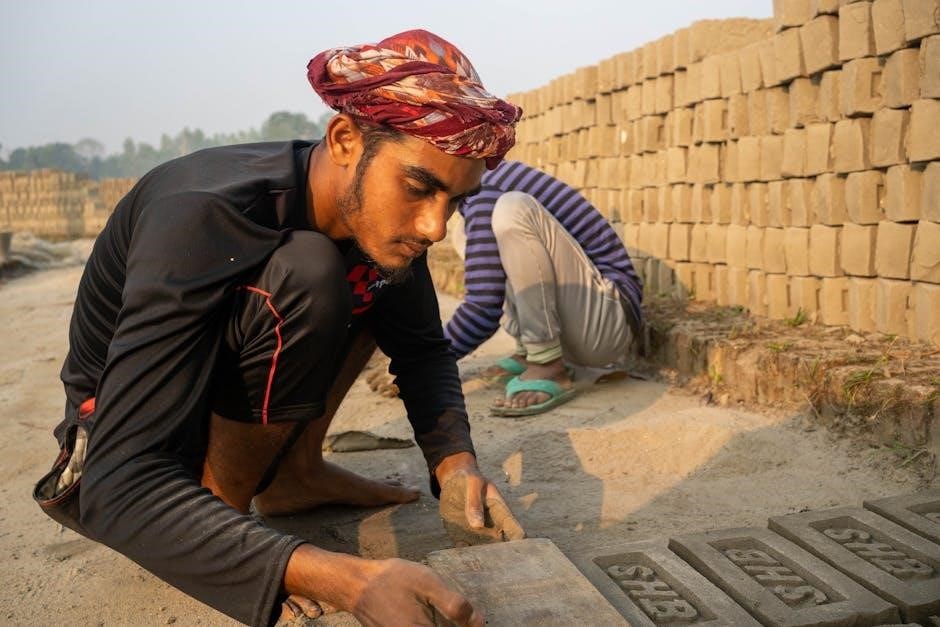
Arthritis profoundly diminishes the physical capabilities essential for hard manual work. This degenerative joint disease causes pain, stiffness, and reduced range of motion, directly hindering tasks requiring strength, dexterity, and endurance. Osteoarthritis, the most common form, progressively wears down cartilage, leading to bone-on-bone friction and escalating discomfort.
For manual laborers, even routine activities become challenging. Lifting, bending, gripping, and prolonged standing – core components of many jobs – are significantly impaired. The resulting pain often leads to decreased productivity, increased errors, and a higher risk of secondary injuries. Presenteeism, working through pain, is common but ultimately detrimental, accelerating joint damage.
Work impairment due to arthritis necessitates job modifications or, in severe cases, early retirement. Access to appropriate medical care, including pain management and physical therapy, is crucial. Furthermore, ergonomic adjustments and assistive devices can help mitigate the impact, allowing individuals to continue working safely and effectively for a longer duration.
The Role of Manual Labor in Infrastructure and Essential Services
Manual labor forms the bedrock of critical infrastructure development and maintenance. Construction workers, plumbers, electricians, and road crews physically build and repair the systems that underpin modern society. These roles demand significant physical exertion, skill, and a commitment to safety.
Essential services, such as waste management, logistics, and agriculture, also heavily rely on manual workers. These individuals ensure the smooth functioning of supply chains, maintain public health, and provide vital resources. Their contributions are often unseen but are absolutely indispensable to daily life.
Despite technological advancements, many infrastructure tasks require human adaptability and problem-solving skills. Complex repairs, unpredictable site conditions, and the need for precise execution often necessitate hands-on expertise. Moreover, the demand for skilled tradespeople continues to grow, highlighting the enduring relevance of manual labor in sustaining and expanding essential services.
Economic Considerations: Wages and Job Security
Historically, manual labor positions have offered a pathway to stable employment, though wage disparities often exist. While some skilled trades command competitive salaries, many essential manual jobs remain underpaid, particularly considering the physical demands and inherent risks.
Job security in manual labor is a complex issue. Demand fluctuates with economic cycles and infrastructure projects, creating potential instability. However, the relative resilience of these jobs to immediate AI displacement, as noted by Microsoft’s research, offers a degree of long-term security.
Efforts to improve wages and benefits for manual workers are crucial. Strengthening unions, advocating for fair labor practices, and investing in skills training can enhance economic opportunities. Addressing the stigma associated with manual work is also vital, as it can influence perceptions of value and contribute to wage suppression. Ultimately, recognizing the economic contributions of these workers is paramount.
The Impact of Automation and AI on Manual Labor
The rise of automation and artificial intelligence presents both challenges and opportunities for manual laborers. While some repetitive tasks are increasingly automated, the complete displacement of human workers in many manual roles remains unlikely, particularly those requiring adaptability and problem-solving skills.
Microsoft’s recent studies highlight a crucial distinction: AI significantly impacts roles like writing and customer support, but exhibits less influence on manual labor and care jobs. This suggests a degree of insulation for physically demanding occupations.
Instead of outright replacement, AI is more likely to augment manual work, boosting productivity and efficiency. Tools like robotic assistance and data analytics can enhance worker capabilities, reducing strain and improving safety. However, proactive skills training is essential to prepare workers for these evolving roles. The focus should be on leveraging AI as a collaborative tool, not a substitute for human expertise and physical capability.
Jobs Less Susceptible to AI Displacement
Certain manual labor positions demonstrate a remarkable resilience to automation and AI-driven displacement. Roles demanding unpredictable physical dexterity, complex problem-solving in dynamic environments, and nuanced human interaction are proving particularly difficult to replicate with current AI technologies.
Construction work, for example, requires adaptability to varying site conditions and intricate spatial reasoning. Similarly, skilled trades like plumbing and electrical work necessitate hands-on expertise and troubleshooting abilities that exceed AI’s current capabilities.
Furthermore, jobs involving direct physical care – landscaping, certain agricultural tasks, and specialized maintenance – rely on human judgment and adaptability. Microsoft’s research corroborates this, indicating that roles requiring significant physical presence and real-world interaction are less vulnerable. These positions benefit from the human touch and are less easily codified into algorithms, ensuring continued demand for skilled manual laborers.
AI as a Tool to Augment, Not Replace, Manual Workers
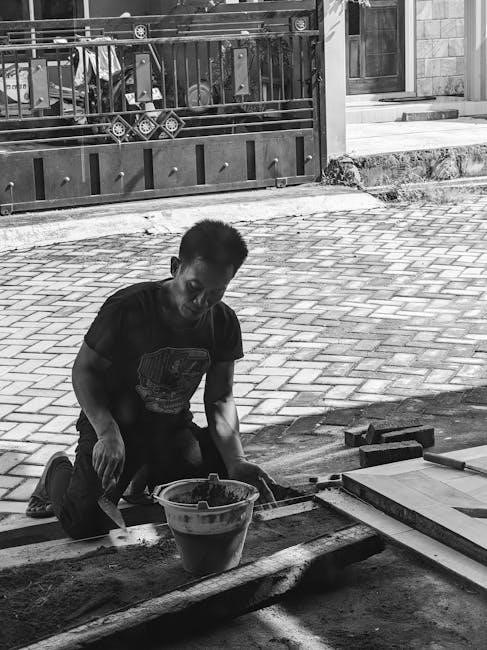
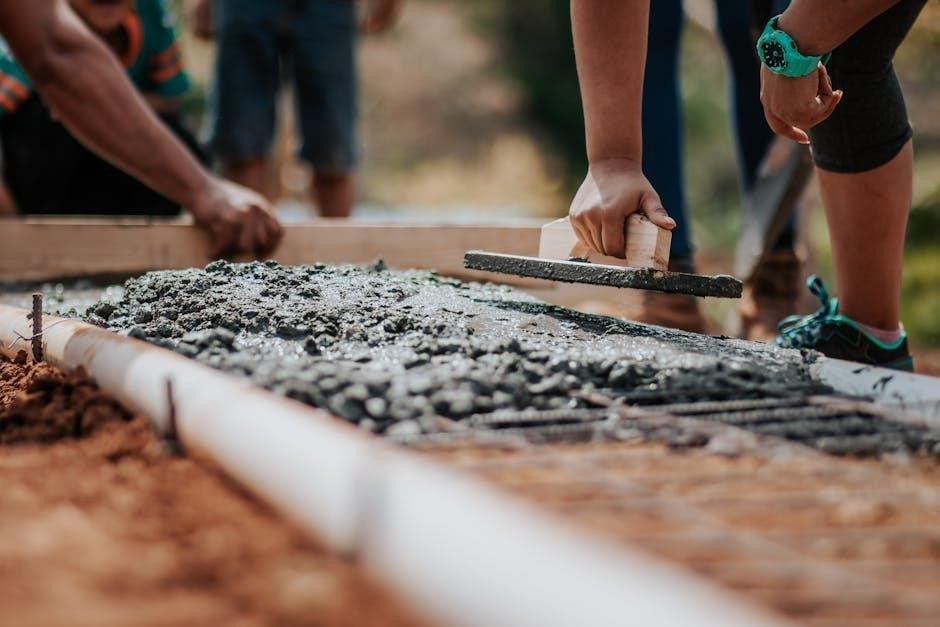
The narrative surrounding AI and manual labor is shifting from replacement to augmentation. Rather than eliminating jobs, AI is increasingly being deployed as a tool to enhance the productivity, safety, and efficiency of manual workers.
For instance, AI-powered predictive maintenance systems can identify potential equipment failures, allowing skilled technicians to address issues proactively, minimizing downtime and maximizing operational lifespan. Microsoft’s studies emphasize AI’s role in boosting productivity, not necessarily reducing workforce size.
Furthermore, AI-driven exoskeletons are emerging, providing physical assistance to workers engaged in strenuous tasks, reducing strain and the risk of injury. AI-powered tools can also analyze work environments, identifying potential hazards and optimizing workflows. This collaborative approach—where AI handles repetitive or dangerous tasks and humans contribute their expertise and adaptability—represents the future of manual labor, fostering a more sustainable and effective workforce.
The Psychological Aspects of Manual Work
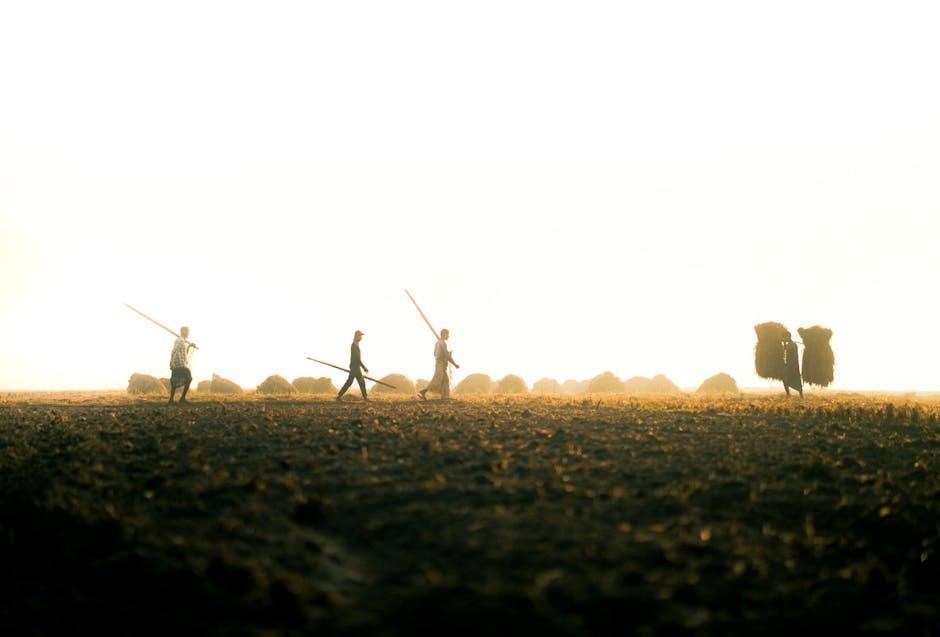
Manual labor, often perceived as physically demanding, carries significant psychological weight. While frequently associated with routine or hardship, it can offer a unique sense of accomplishment and tangible results. The direct correlation between effort and outcome fosters a feeling of mastery and self-efficacy, contributing positively to mental wellbeing.
However, the demanding nature of such work can also present challenges. Repetitive tasks, physical strain, and potential exposure to hazardous conditions can contribute to stress, fatigue, and even burnout. The importance of recognizing and addressing these psychological stressors cannot be overstated.
Furthermore, the social aspect of many manual labor roles—working collaboratively with a team—can provide a strong sense of camaraderie and support. Cultivating a positive work environment, promoting open communication, and offering mental health resources are crucial for safeguarding the psychological health of manual workers, ensuring both productivity and wellbeing.
Skills and Training for Manual Labor Positions
While often perceived as requiring only physical strength, modern manual labor positions increasingly demand a diverse skillset. Beyond core physical capabilities, proficiency in problem-solving, critical thinking, and spatial reasoning are becoming essential. Technical skills, such as operating machinery, interpreting blueprints, and utilizing digital tools, are also highly valued.
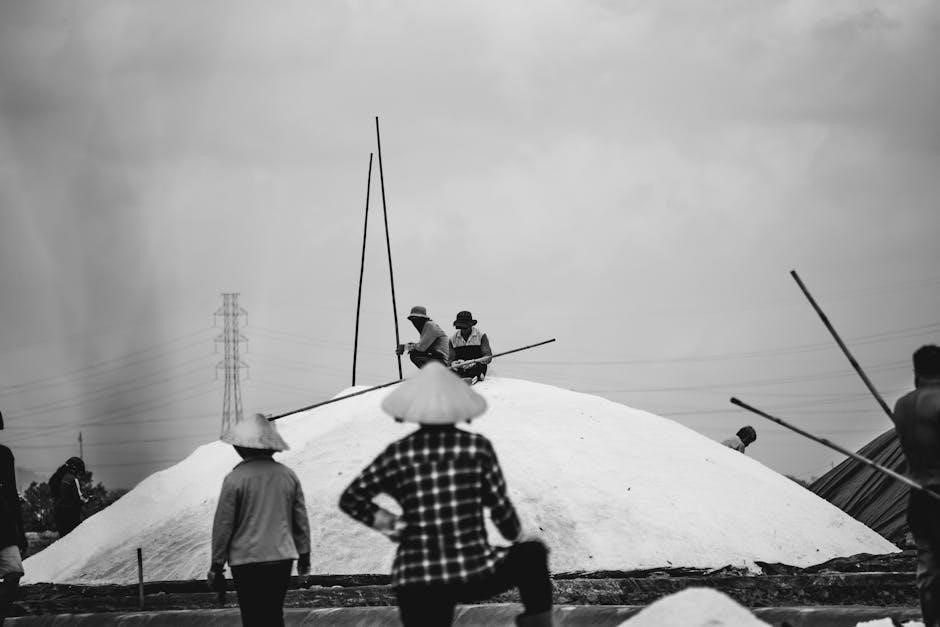
Robust training programs are crucial for equipping workers with these necessary competencies. Apprenticeships, vocational schools, and on-the-job training initiatives provide hands-on experience and theoretical knowledge. Emphasis should be placed on safety protocols, equipment maintenance, and adherence to industry standards.
Furthermore, continuous professional development is vital in a rapidly evolving landscape. Upskilling and reskilling opportunities, particularly in areas related to automation and new technologies, will ensure that manual workers remain adaptable and competitive. Investing in comprehensive training benefits both the individual and the industry as a whole.
Safety Regulations and Worker Protection
Prioritizing safety is paramount in manual labor, given the inherent physical risks involved. Comprehensive regulations, enforced by organizations like OSHA, are designed to minimize workplace hazards and protect worker wellbeing; These regulations cover a wide range of areas, including fall protection, hazard communication, and the proper use of personal protective equipment (PPE).
Regular safety inspections, risk assessments, and mandatory training programs are essential components of a robust safety culture. Employers have a legal and ethical obligation to provide a safe working environment, while employees must actively participate in safety protocols and report any potential hazards. Addressing musculoskeletal disorders, a common concern among manual workers, requires ergonomic assessments and preventative measures.
Continuous improvement in safety practices, driven by technological advancements and evolving industry standards, is crucial. Investing in safety not only protects workers but also enhances productivity and reduces costly accidents and downtime.
The Future of Manual Labor: Trends and Predictions
While automation and AI are reshaping the job market, manual labor isn’t facing outright extinction, but rather, a significant evolution. The future will likely see a greater emphasis on skilled trades requiring dexterity and problem-solving abilities – areas where AI currently lags. Expect increased integration of technology assisting manual workers, rather than replacing them entirely.
Demand will persist in infrastructure development, renewable energy installation, and essential services, all heavily reliant on physical labor. Upskilling and reskilling initiatives will be vital, focusing on areas like robotics maintenance, data analysis for predictive maintenance, and advanced safety protocols. Microsoft’s findings suggest a shift towards roles where human interaction and physical presence are irreplaceable.
Furthermore, a growing awareness of the value of manual work may lead to improved wages and working conditions, attracting a new generation of skilled laborers. The focus will be on augmenting human capabilities with technology, creating a more efficient and safer work environment.
The Importance of Recognizing the Value of Manual Work
For too long, manual labor has been undervalued and stigmatized, despite its fundamental role in sustaining our society. Recognizing the inherent worth of these professions is crucial, not just for economic reasons, but for societal well-being. These jobs build and maintain the infrastructure we all rely on – roads, buildings, energy systems – and provide essential services that keep communities functioning.
A shift in perception is needed, acknowledging the skill, dedication, and physical demands involved. This includes advocating for fair wages, improved working conditions, and access to comprehensive healthcare, particularly addressing conditions like arthritis which disproportionately affect manual workers. Microsoft’s research reinforces the idea that these roles are less susceptible to automation, highlighting their continued importance.
Elevating the status of manual labor can attract a new generation of skilled workers, ensuring a robust and sustainable workforce for the future. It’s about respecting the dignity of work and acknowledging the vital contributions of those who build and maintain our world.
Addressing the Stigma Associated with Manual Labor
The persistent stigma surrounding manual labor stems from outdated societal perceptions that equate it with lower status and limited opportunity. This bias often overlooks the critical skills, problem-solving abilities, and dedication required in these professions. It’s a misconception that needs active dismantling, fostering a culture of respect and appreciation for all forms of work.
Challenging this stigma requires highlighting the economic importance of manual trades, particularly as automation impacts other sectors. Microsoft’s findings demonstrate the resilience of these jobs, suggesting long-term stability and demand. Furthermore, emphasizing the essential nature of infrastructure and service roles – the very foundation of our daily lives – can shift public opinion.

Promoting vocational training and apprenticeships as viable career paths, alongside traditional academic routes, is vital. We must celebrate the craftsmanship and tangible results of manual work, recognizing its inherent value and contribution to a thriving society.
The Connection Between Manual Labor and Mental Wellbeing
Contrary to common assumptions, engaging in physically demanding manual labor can offer significant benefits for mental wellbeing. The tangible results of one’s efforts – a completed structure, a repaired system – provide a sense of accomplishment and purpose often lacking in more abstract roles. This direct correlation between effort and outcome can be profoundly satisfying.
The physical exertion inherent in manual work releases endorphins, natural mood boosters that alleviate stress and anxiety. While physical demands necessitate careful attention to health risks like musculoskeletal disorders and arthritis, mindful practice and safety protocols can mitigate these concerns. The focused nature of many manual tasks can also promote a state of ‘flow,’ reducing rumination and fostering present-moment awareness.
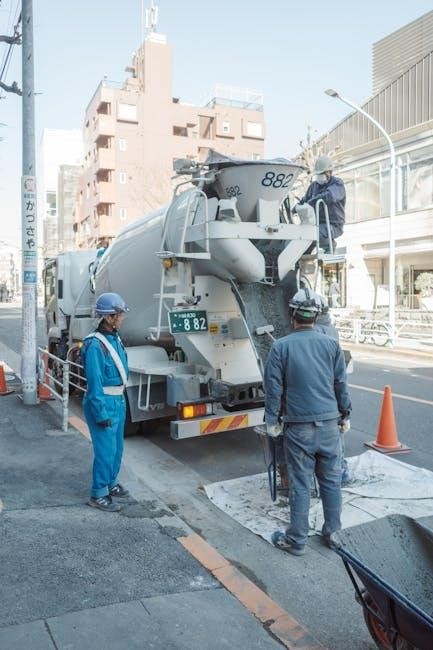
Recognizing and valuing the psychological benefits of manual work is crucial, especially as societal emphasis shifts towards increasingly digital and sedentary lifestyles. Supporting workers with resources and promoting a positive work environment further enhances these wellbeing advantages.
Resources for Manual Workers: Unions and Support Organizations
For individuals engaged in hard manual work, access to robust support systems is paramount, particularly given the physical demands and potential health risks inherent in these professions. Labor unions historically play a vital role, advocating for fair wages, safe working conditions, and comprehensive benefits packages, including healthcare and retirement plans.
Beyond unions, numerous organizations dedicate themselves to supporting manual workers. These groups offer resources ranging from legal assistance regarding workplace injuries and disputes, to training programs enhancing skills and career advancement opportunities. Organizations focused on specific trades, like construction or mechanics, provide specialized support and networking opportunities.
Furthermore, resources addressing the impact of conditions like arthritis on work capabilities are increasingly available. These include ergonomic assessments, adaptive tools, and guidance on managing pain and maintaining functionality. Connecting with these organizations empowers manual workers to protect their rights, prioritize their wellbeing, and navigate the challenges of their profession effectively.